 bcpublishers@gmail.com

Archives: Books
Display Books

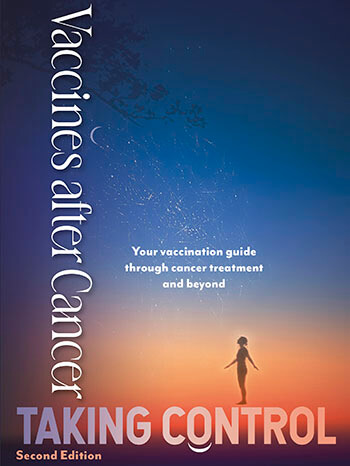
Vaccines after Cancer: Taking Control (2nd Edition)
Yes, John. To match the Lymphoedema page exactly:
* **About** should use coral, uppercase, bold **Mohave**
* **Learn** should use the normal blue `book-content h2` styling
Use this complete Vaccines section:
“`html
About
All you need to know about vaccinations after a cancer diagnosis
Australia Day 2017, when I was recognised with an Order of Australia, was a bittersweet moment. The day before, I had received my first dose of chemotherapy for Hodgkin lymphoma. After eight months away from work, I too became a “cancer survivor”.
During my own cancer journey, vaccination was never discussed with me. I later realised that many people diagnosed with cancer receive little or no guidance about vaccines—before treatment starts, during therapy or in the years that follow.
In 2020, a conversation with my nephew, a general practitioner, highlighted just how important vaccination is after cancer treatment. That prompted me to begin researching vaccines in depth, both for myself and for my patients.
This fully updated second edition provides clear, practical guidance on vaccination before, during and long after cancer treatment, helping you protect your health with confidence.
Learn
- Which vaccines to consider before, during and after cancer treatment
- Which vaccines should be avoided or delayed during certain cancer treatments
- How cancer and its treatments affect your immune system
- How vaccination reduces your risk of serious infections
- What to expect after vaccination, including common side effects
- What you need to know about vaccines for shingles, pneumonia, whooping cough, influenza and COVID-19
- How often vaccinations and boosters may be needed in the years after treatment
“`
This will synchronise the typography with the Lymphoedema page without adding more CSS.
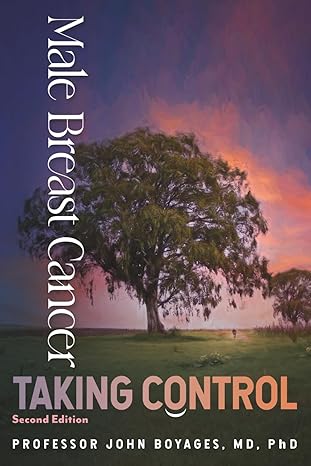
Male Breast Cancer: Taking Control
About
All you need to know to “take control” after a diagnosis of male breast cancer.
Male breast cancer is not common and often underdiagnosed and undertreated. Using the familiar image of a garden and a personal, plain English style, renowned breast cancer specialist Professor John Boyages, MD, PhD, walks you slowly through the stress and confusion of diagnosis, treatment, and life after male breast cancer.
In Male Breast Cancer: Taking Control, John Boyages provides you with all the information you or your family and friends need to take control, maximize your survival, and find your path to recovery.
Learn how to:
- Know the difference between “man boobs” and male breast cancer
- Have the right tests for an earlier diagnosis
- Avoid under- or overtreatment
- Ask your treatment team the right questions
- Choose treatments for your breast and lymph nodes
- Deal with stress, anxiety, fatigue, and sexuality during and after treatment
- Understand when chemotherapy is really required
- Get specific up-to-date information for male breast cancer and avoid pamphlets designed for females
- Achieve a more positive state of mind through inspiring and motivating patient stories and key take-home messages
Some key features:
- “Traffic-light” colors guide you through treatment phases
- 20 color-coded “Control Points”
- Clear end of chapter “Warning”, “Tip” and “Remember” icons and summaries
- End of chapter take home messages
- 10 real-life patient stories
- Plain English style with garden and other analogies to explain your breast cancer and its treatment
- Over 50 images and graphically designed diagrams
- Over 70 hand-picked web links
- Detailed glossary, key references and index (print version)
DCIS of the Breast: Taking Control (Second Edition)

About
A diagnosis of DCIS (ductal carcinoma in situ) can be overwhelming. In this clear, compassionate and empowering guide, internationally recognized breast cancer specialist Professor John Boyages, MD, PhD, helps you cut through the confusion and take control.
In this fully updated second edition, learn how to:
- Talk to family and friends about your diagnosis
- Understand the difference between DCIS and invasive breast cancer
- Find the right treatment team and ask the questions that matter
- Identify your treatment choices and avoid under- or over-treatment
- Know when hormonal treatment may be needed
- Explore your options for reconstruction
- Regain your confidence and adjust to life after treatment
DCIS of the Breast: Taking Control—updated, clear, and empowering (Updated Second edition)
This book is full of evidence-based advice and includes inspiring patient stories. It is organized into three easy-to-follow, color-coded sections that guide you support you through every step: before, during, and after treatment.
“As a patient of John Boyages, I was deeply grateful for his professionalism and for the compassion and clarity with which he explained my options during breast cancer treatment. John has a rare gift for conveying complex medical information in a way that is both easy to understand and practical for the layperson.” Liane Moriarty, world-renowned best-selling author
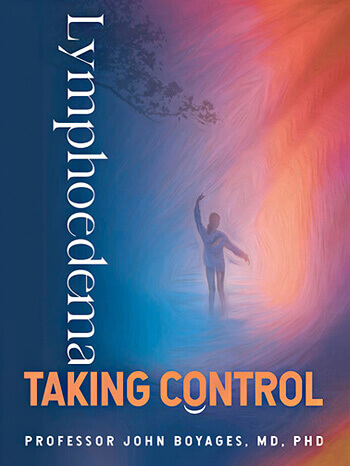
Lymphoedema: Taking Control
About
From the author of other Taking Control Books: Breast Cancer; DCIS and Male Breast Cancer
Your Complete Guide to Understanding and Managing Lymphoedema
Living with lymphoedema can be challenging, but knowledge and proactive management can make all the difference. In Lymphoedema: Taking Control, the recognised lymphoedema specialist in Sydney, Professor John Boyages AM, empowers patients, carers and clinicians to take charge of this often misunderstood condition.
This essential lymphoedema book provides clear, compassionate guidance on recognising early warning signs, preventing complications like cellulitis in lymphoedema and exploring the latest evidence-based treatments, including complex decongestive therapy (CDT), manual lymphatic drainage MLD, lymphoedema compression garments and even surgical options like lymphoedema liposuction and lymphatic microsurgery.
A Practical Roadmap for Lymphoedema Management
Whether you are newly diagnosed, recovering from cancer treatment or supporting someone with secondary lymphoedema, this book offers expert advice backed by over 40 years of clinical experience.
In Lymphoedema: Taking Control, Professor Boyages breaks down the science and management of lymphoedema into easy-to-understand sections, helping you:
- Identify early symptoms and risk factors
- Prevent cellulitis in lymphoedema through daily care and hygiene routines
- Use compression garments effectively for long-term comfort
- Incorporate lymphoedema exercises into your everyday life
- Understand when complex decongestive therapy (CDT) and manual lymphatic drainage MLD may be recommended
- Explore innovative surgical options, including lymphatic microsurgery and lymphoedema liposuction
Each chapter provides both clinical insights and patient-friendly explanations, giving readers the tools they need to take control of their health journey.
Understanding Lymphoedema After Cancer
Many people develop lymphoedema after cancer treatment, particularly following surgery or radiation that affects lymph nodes. This swelling is not just a physical reminder of the cancer journey; it can also impact mobility, confidence, and quality of life.
Professor Boyages explains how early diagnosis and ongoing lymphoedema management can significantly reduce the risk of progression. With a focus on education, prevention and self-care, Lymphoedema: Taking Control highlights how small lifestyle changes can make a big difference.
About the Book – Lymphoedema: Taking Control
A practical guide for patients, carers, and clinicians.
Lymphoedema is often underdiagnosed, misunderstood, and left untreated.
Lymphoedema: Taking Control offers readers clarity and confidence through expert insight, real-life experiences, and proven strategies for prevention, diagnosis, and self-care.
Inside, you’ll find:
- Causes, symptoms and early warning signs
- Current treatment options and when to seek help.
- How to prevent cellulitis and recognise warning signs early
- Complex Decongestive Therapy (CDT) – what it is and how it works
- Manual Lymphatic Drainage MLD – safe and effective techniques
- Using compression garments to control swelling
- Exercise and mobility for better lymph flow
- Emotional well-being and support networks
- New surgical approaches, including lymphatic microsurgery and lymphoedema liposuction
- Inspiring patient stories and recovery journey
This is not just another medical guide; it’s a compassionate companion that bridges the gap between scientific understanding and practical living.
Why This Book Matters
By reading Lymphoedema: Taking Control, you’ll gain clarity on how to manage symptoms, work with your healthcare team and prevent long-term complications.
Professor John Boyages combines decades of research and clinical experience into a single, accessible guide that empowers readers to take charge of their condition physically, emotionally and mentally.
Who Should Read This Book?
- Patients living with primary or secondary lymphoedema
- Cancer survivors seeking to understand post-treatment swelling
- Carers and family members supporting loved ones
- Healthcare professionals (including therapists and nurses) involved in lymphoedema early detection, diagnosis and treatment.
Whether you’re newly diagnosed or have been living with lymphoedema for years, Lymphoedema: Taking Control provides up-to-date strategies to help you live confidently and comfortably.
Each chapter provides easy-to-follow advice, supported by illustrations and patient stories, making it an essential reference for both home and clinic use.
Order Your Copy Today
Start your journey to understanding and managing lymphoedema with confidence.
Order Lymphoedema: Taking Control today from BC Publishing and take the first step toward a healthier, more empowered future.
frequently asked questions
2. Does this book explain lymphoedema management in detail?
Yes. The book provides detailed, step-by-step explanations of lymphoedema management, including assessment, treatment pathways, self-care routines and long-term control strategies. It goes beyond basic advice, helping readers understand why certain treatments are used and how they work together.
3. Does the guide cover lymphoedema after cancer treatment?
Absolutely! A significant focus of the book is lymphoedema that develops after cancer surgery, radiation therapy or lymph node removal. It explains how cancer treatment affects the lymphatic system and outlines management strategies relevant to cancer survivors.
4. What is secondary lymphoedema and is it explained in the book?
Secondary lymphoedema occurs when the lymphatic system is damaged by surgery, cancer treatment, infection or injury. The book clearly explains secondary lymphoedema, how it develops, who is at risk and how it differs from primary lymphoedema.
5. Does the book discuss cellulitis and lymphoedema risks?
Yes! Lymphoedema: Taking Control explains the link between lymphoedema and cellulitis, including why infections are more common and potentially serious. It helps readers recognise early warning signs and understand when urgent medical attention is needed.
6. Can this guide help prevent cellulitis in lymphoedema patients?
The guide includes practical advice to reduce cellulitis risk, including skin care, infection prevention and early symptom recognition. While it does not replace medical care, it supports patients in taking proactive steps that may help lower infection risk.
7. What is complex decongestive therapy (CDT) in lymphoedema?
The book explains complex decongestive therapy (CDT) as the gold-standard treatment for lymphoedema. It outlines its key components, including compression, skin care, exercise and manual lymphatic techniques, helping readers understand how CDT supports swelling reduction and control.
8. Does the book explain manual lymphatic drainage (MLD)?
Yes. Manual lymphatic drainage (MLD) is clearly explained, including how it supports lymph flow and when it is appropriate. The book helps readers understand the role of trained therapists and how MLD fits into a broader lymphoedema management plan.
9. Are lymphoedema compression garments covered in the guide?
Compression garments are discussed in detail, including their role in controlling swelling, maintaining treatment results and supporting daily activity. The book explains different garment types, proper use and why professional fitting is important for effective lymphoedema management.
10. Does the book include lymphoedema exercises for daily care?
Yes. The guide includes information on movement and exercise as part of daily lymphoedema care. It explains how gentle, appropriate exercises support lymph flow and function, while emphasising safety and consistency rather than strenuous or unsupervised activity.
11. Are surgical treatments like lymphoedema liposuction and lymphatic microsurgery explained?
The book discusses surgical options like lymphoedema liposuction and lymphatic microsurgery, outlining when they may be considered and their limitations. It provides balanced, evidence-informed explanations to help readers understand these options within a broader treatment plan.
12. Is this book suitable for lymphoedema education in Australia and for guidance from specialists?
Yes! Published by BC Publishing,the book is well suited to Australian healthcare settings. It aligns with specialist-led lymphoedema care and is useful for patient education, clinical discussions and guidance alongside advice from qualified health professionals.
13. How do I order Lymphoedema: Taking Control online?
You can order the book online through the BC Publishing website. Simply choose your format, complete checkout and have the book delivered directly to your home, clinic or education centre.
Breast Cancer: Taking Control
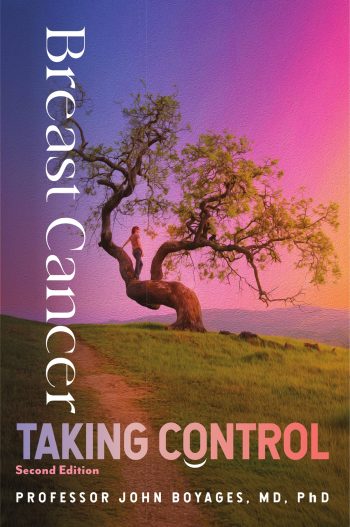
Second Edition — fully revised and updated
About
Breast Cancer: Taking Control — Second Edition is a practical, plain-English guide for people diagnosed with breast cancer and for those supporting them. Using the familiar image of a garden, clear diagrams, real patient stories and step-by-step chapters, Professor John Boyages AM, MD, PhD, guides you through the stress, confusion and important decisions that follow a breast cancer diagnosis.
Some key features:
- Fully revised and updated second edition
- “Traffic-light” colours to guide you through different stages of diagnosis, treatment and recovery
- Clear chapters that guide you through the breast cancer treatment pathway
- Real-life patient stories
- Plain-English explanations using garden and other everyday analogies
- Updated information on surgery, radiation therapy, drug treatment, reconstruction, genetics, lymphoedema, side effects and recovery
- Photographs, diagrams and tables to help explain key concepts
- Carefully selected web links and resources
- Detailed glossary, key references and index
Learn how to:
- Understand the key steps from diagnosis through treatment, recovery and follow-up care
- Navigate the medical maze of breast cancer care with clear explanations, diagrams and flow charts
- Understand your diagnosis, pathology report and treatment options
- Find and work with the right treatment team for you
- Ask the right questions before surgery, radiation therapy, drug treatment and follow-up care
- Understand surgical choices for the breast and armpit
- Understand when radiation therapy, chemotherapy, anti-HER2 therapy, immunotherapy or hormonal therapy may be recommended
- Consider breast reconstruction and the timing of treatment
- Recognise and manage common side effects, including fatigue, menopause symptoms, lymphoedema risk and changes in sexuality
- Prepare for recovery, survivorship and life after treatment
Note from the author
“My aim is to help you understand your breast cancer, make informed decisions with your treatment team, and feel more confident as you move through treatment and recovery. Let me guide you along the right path so you can take control of this all too common disease.”Professor John Boyages AM, MD, PhD